Dental Trauma · San Marcos, North County San Diego
Knocked-out or broken tooth: what to do right now.
If a permanent tooth is knocked out, the best thing you can do is put it back in its socket within minutes. If you cannot, keep it in milk and get to a dentist right away. Never let it dry out.
Head injury first. Loss of consciousness, vomiting, confusion or memory loss means the emergency room or 911, before any dental care. For a dental injury, call us at (760) 510-1133.
In Short
The four things that matter most.
Minutes count
A knocked-out tooth does best when it is back in the socket within minutes. Dry time decides the outcome.
Hold the crown
Pick the tooth up by the white chewing part. Do not touch or scrub the root.
Keep it moist
Back in the socket is best. Otherwise milk, saline or saliva. Water only as a last resort.
Permanent teeth only
A knocked-out baby tooth is not put back. Call your dentist anyway.
Illustrated
Not every injury looks the same.
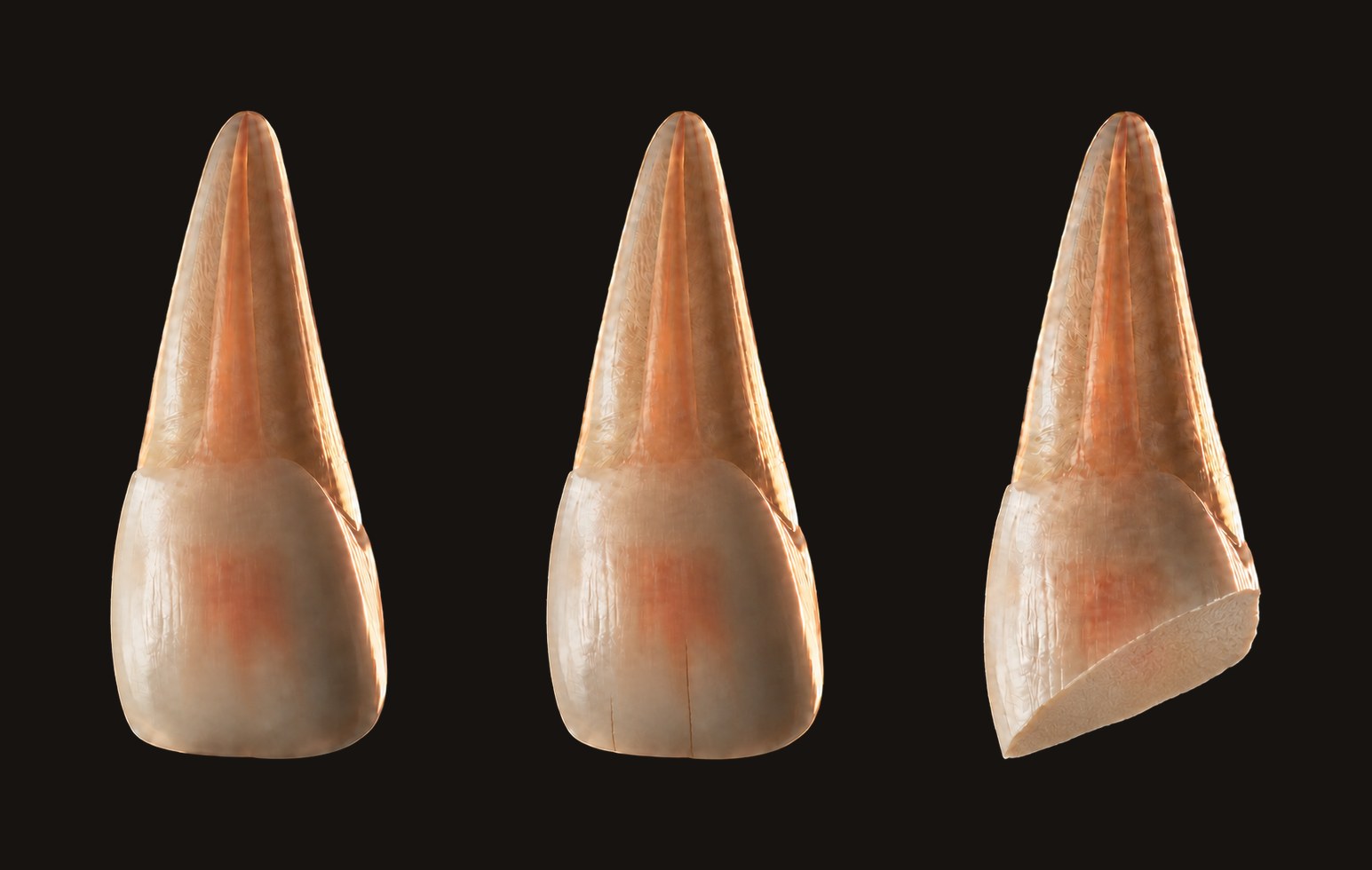
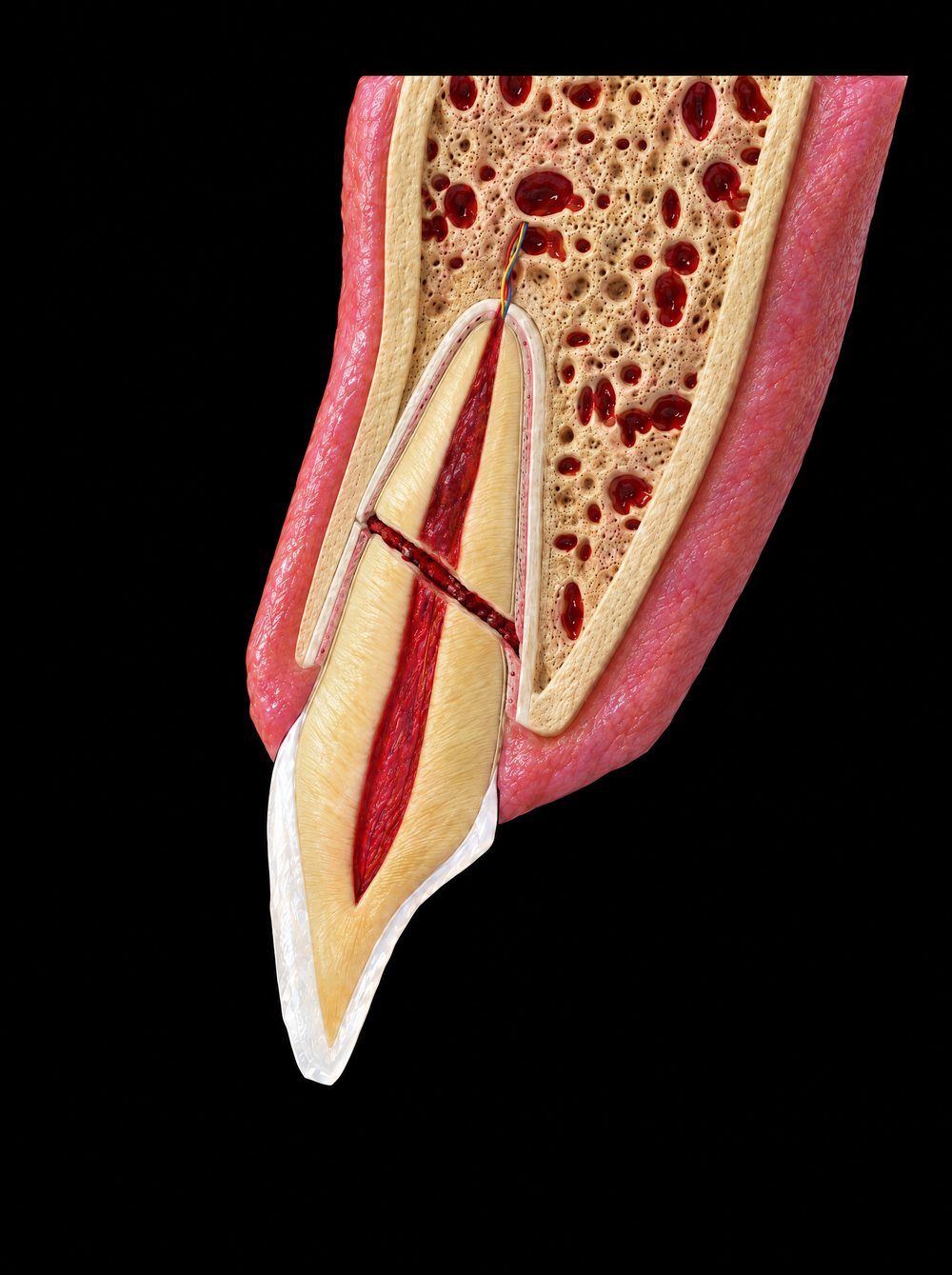
Illustrations are simplified to show the idea. Every tooth is different.
Knocked-Out Permanent Tooth
What to do, in order.
Find the tooth
Pick it up by the crown, the white part you chew with. Do not touch the root.
If it is dirty, rinse it briefly
Use milk, saline or the person's own saliva. Do not scrub it, and do not use soap.
Put it back in the socket
Face it the right way, push it gently into place, and have the person bite on gauze or a clean cloth to hold it.
If you cannot put it back, keep it moist
Put it in a cup of milk, in saline, or in the person's own saliva. A tooth-preservation kit from a first-aid box works too. Use water only if nothing else is available, and never wrap the tooth in tissue or let it dry.
Note the time
How long the tooth was dry is the first thing we will ask. It decides how the tooth is treated.
Call a dentist or endodontist immediately
Call us at (760) 510-1133. A tooth can be replanted even after an hour dry, but the sooner the better.
Other Injuries
Broken, loosened or pushed out of place.
A chipped or broken tooth
Find the broken piece if you can and bring it in milk or water, because it can sometimes be bonded back. If you see a pink or red spot in the middle of the break, the nerve is exposed: call the same day. With prompt treatment the nerve of a broken tooth can often be kept alive, and a root canal avoided.
A tooth pushed out of position or hanging loose
Call right away. A tooth that has been moved is easiest to guide back soon after the injury. After 12 to 24 hours it may no longer go back by hand. If it is loose, leave it alone and avoid biting on it.
A tooth pushed up into the gum
Do not pull on it. Call us. Depending on the age of the tooth and how far it moved, it may be left to come back down by itself, or moved with braces or a small procedure.
A tooth that was hit but looks fine
Have it checked anyway. The nerve of a bumped tooth can die weeks or months later, and the supporting bone and root can change without pain. A baseline examination now makes later changes easy to see. Call if the tooth darkens, becomes tender, or a pimple appears on the gum.
Baby teeth
A knocked-out baby tooth should not be put back, because that can damage the adult tooth forming behind it. Still call your dentist, to check for other injuries and for pieces left behind.
What happens at the office
We ask how and when it happened, examine the teeth and the soft tissue, test the nerve of each injured tooth and its neighbors, and take X-rays from several angles, with a 3D scan when it will change the treatment. A tooth that was knocked out or moved is usually held with a flexible splint for two to four weeks.
A root canal is not always needed. For a fully formed tooth that was knocked out and replanted, it usually begins one to two weeks later. For a young tooth whose root is still growing, we often watch closely first, because the nerve can recover.
Why the follow-up visits matter
Problems after an injury can appear months or years later. That is why the recommended schedule runs from the first weeks to yearly checks for five years after a serious injury. A tooth that does not respond to a cold test, or changes color, has not necessarily died. It takes repeated testing over time to know.
Home care after any dental injury
A soft diet, a soft toothbrush after each meal, and an antibacterial mouth rinse if your dentist prescribes one, for one to two weeks. No contact sports for two weeks after a knocked-out tooth. If the tooth touched soil, ask your physician whether you need a tetanus booster.
Prevention
A fitted mouthguard for contact sports, skateboards, scooters and e-bikes. Keep our number in your phone, and consider the free ToothSOS app from the International Association of Dental Traumatology for step-by-step instructions at the scene.
For dentists
Dr. Baker lectures to North County dentists on dental trauma. The chairside quick reference and arrival checklist from his October 2026 lecture are in the Doctor Library.

Reviewed by Tyler F. Baker, DDS, MS, endodontist. Last reviewed November 2026.
General information, not a diagnosis. Every tooth is different, and results vary. About Dr. Baker
Sources and further reading: American Association of Endodontists: Recommended Guidelines for the Treatment of Traumatic Dental Injuries (J Endod 2026) · International Association of Dental Traumatology: 2020 guidelines and first-aid advice · ToothSOS app (IADT)
Questions about your tooth?
Call (760) 510-1133 or request a visit. No referral is needed.