Root Canal Treatment · San Marcos, North County San Diego
Root canal treatment that keeps more of your tooth.
A root canal removes inflamed or infected tissue from inside a tooth, disinfects the canal system, and seals it so the tooth can stay in your mouth. At Baker Endodontics in San Marcos, every root canal is done by Dr. Tyler Baker, an endodontist, under a surgical microscope.
In Short
What to expect, in short.
What it treats
Deep decay, a crack, or an injury that has reached the nerve (pulp) of the tooth.
How it feels
In most cases, similar to having a filling. Some soreness for a few days afterward is expected.
How many visits
Most teeth are finished in one or two visits. We will tell you what to expect for your tooth.
What comes next
Usually a crown from your general dentist, especially on back teeth.
Illustrated
A root canal, step by step.
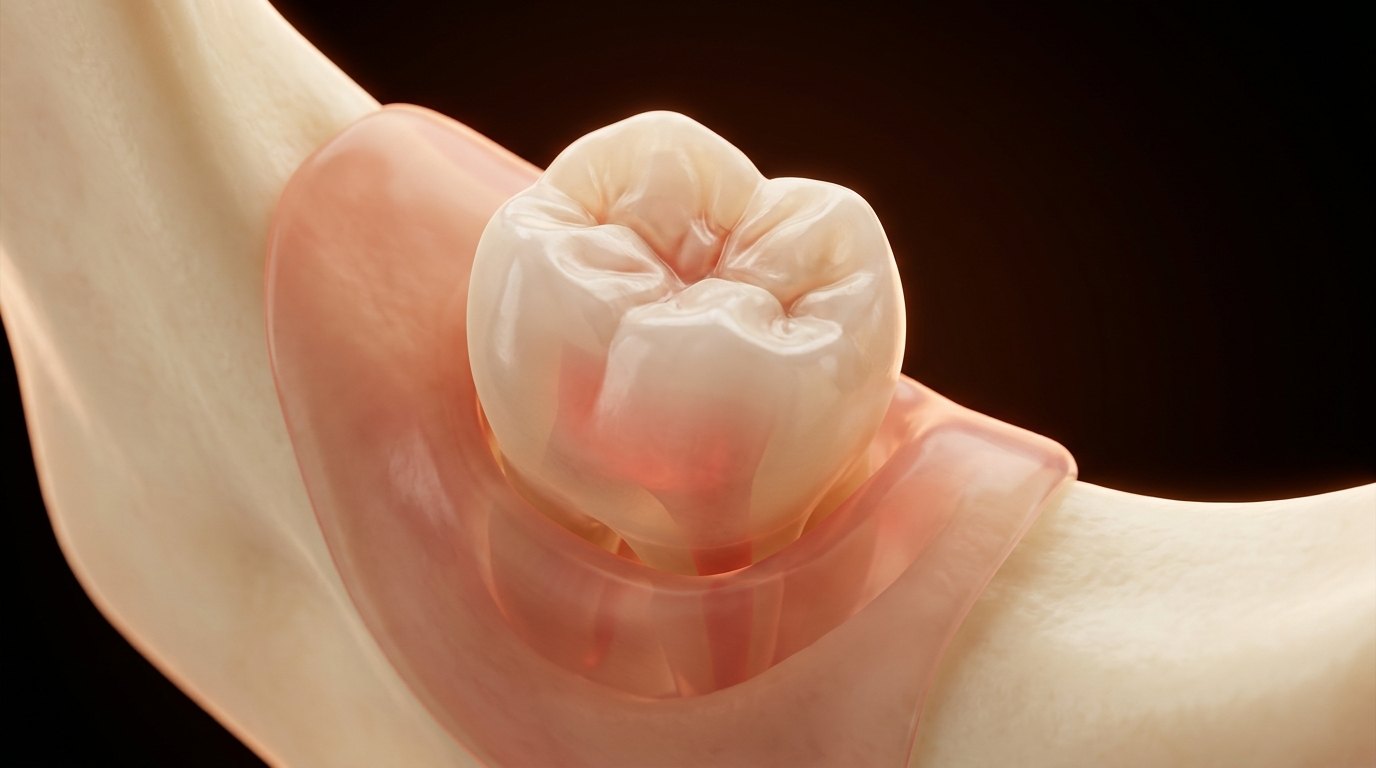
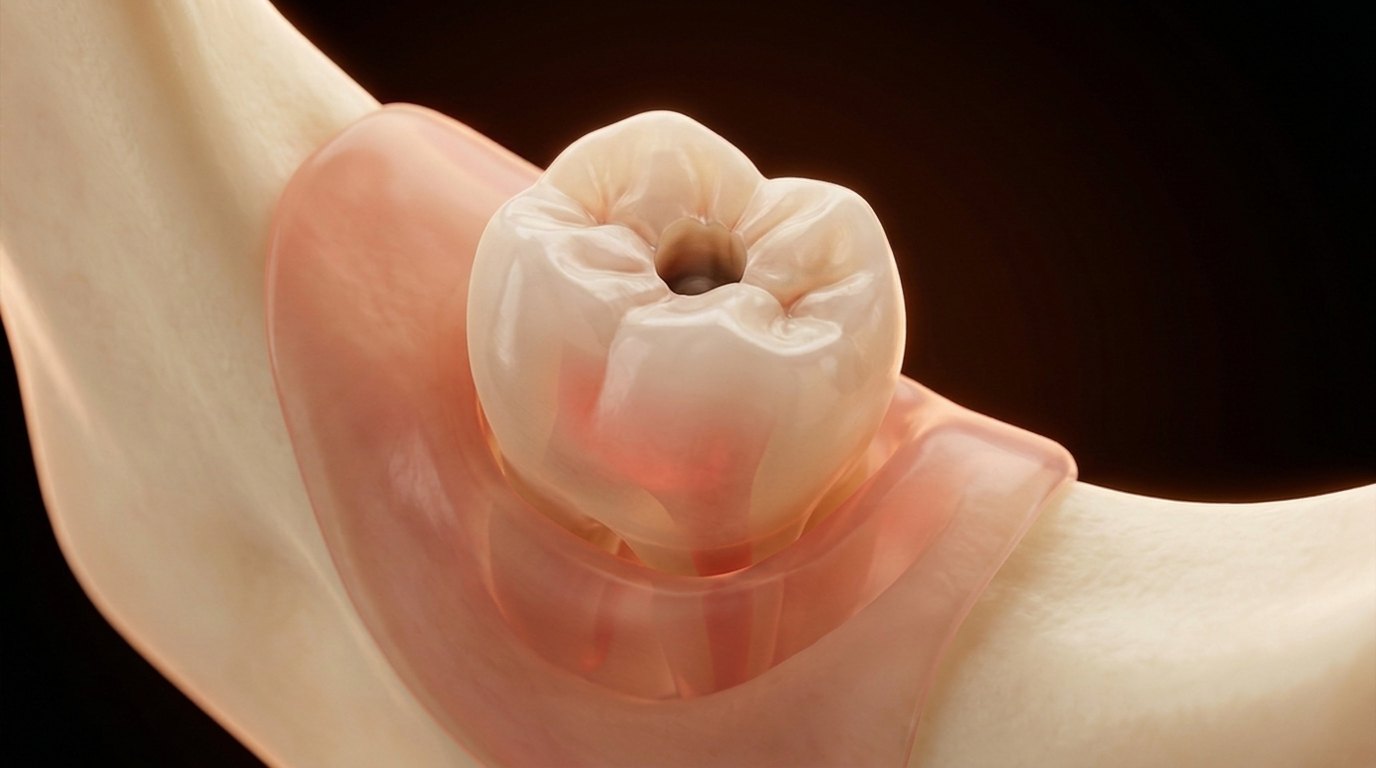
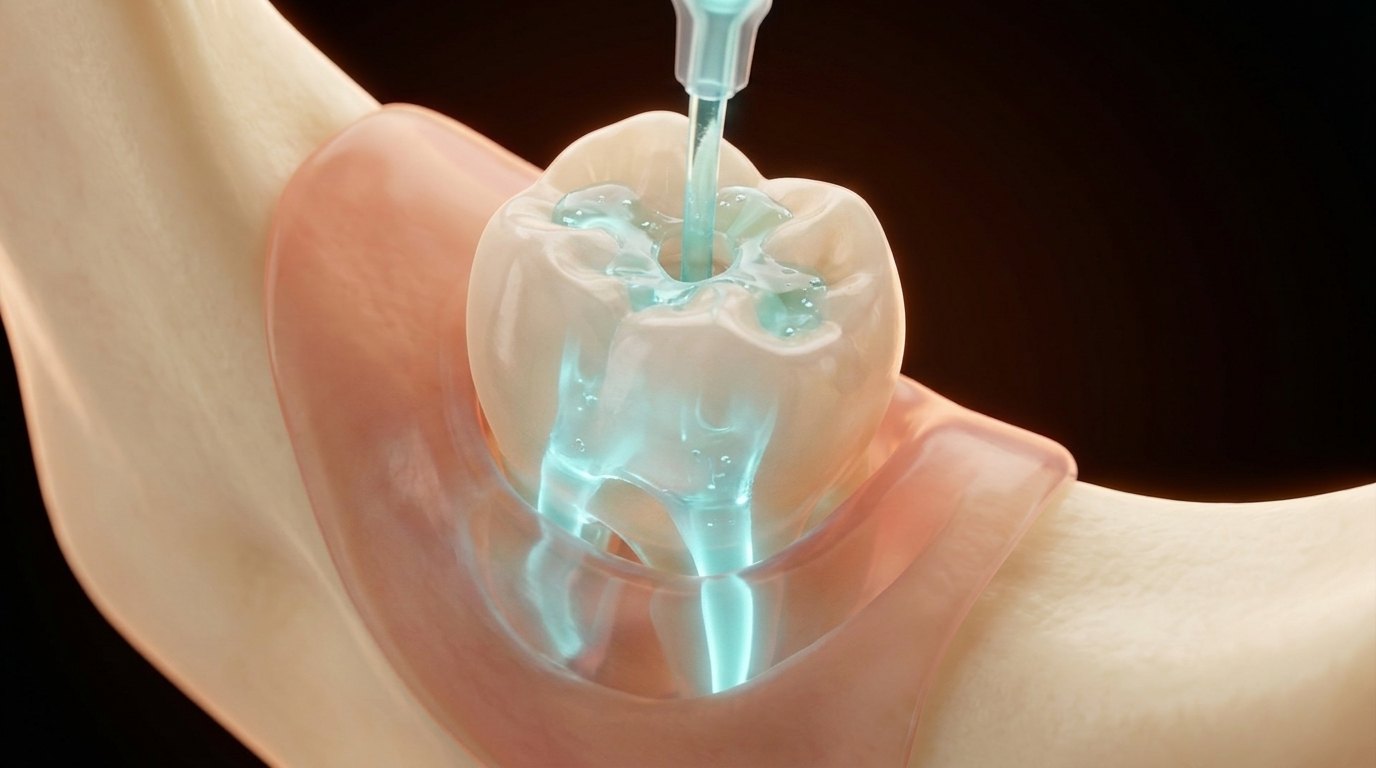
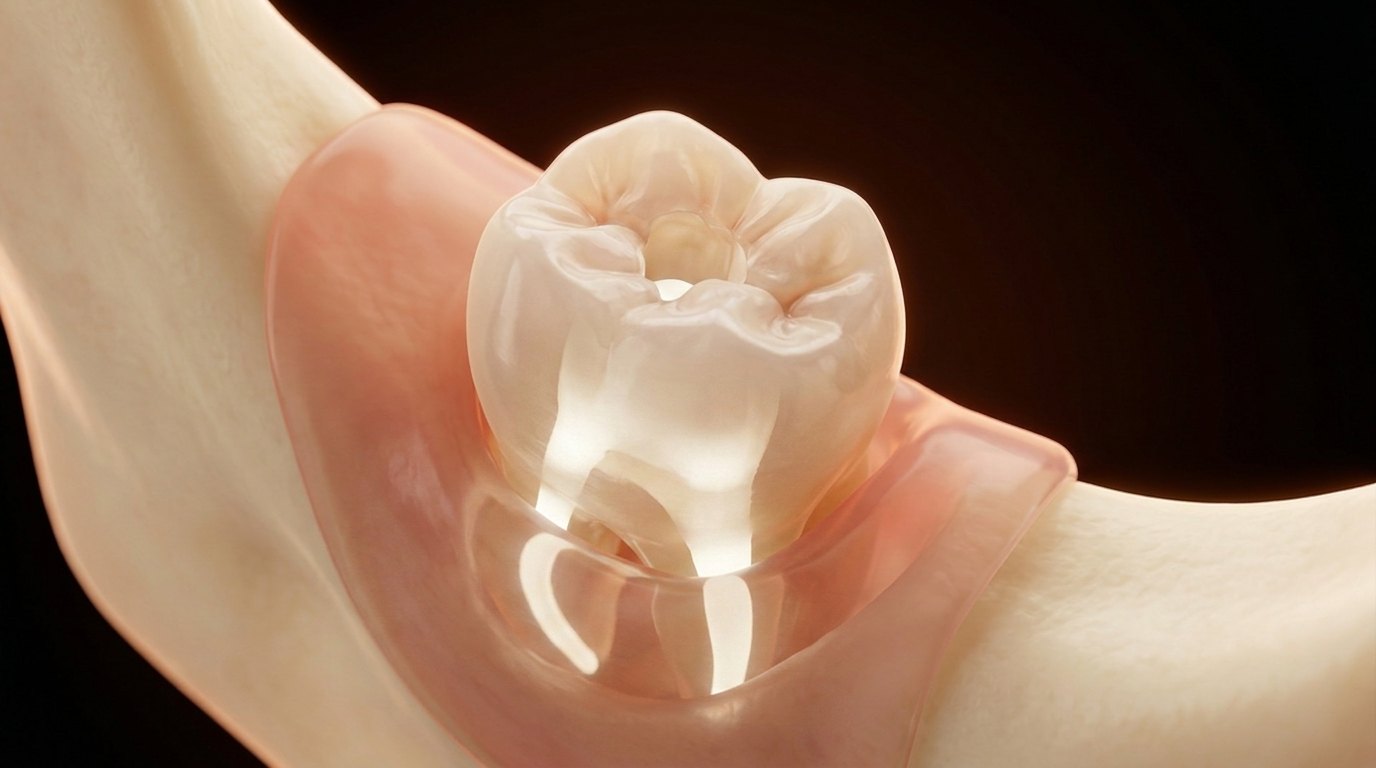
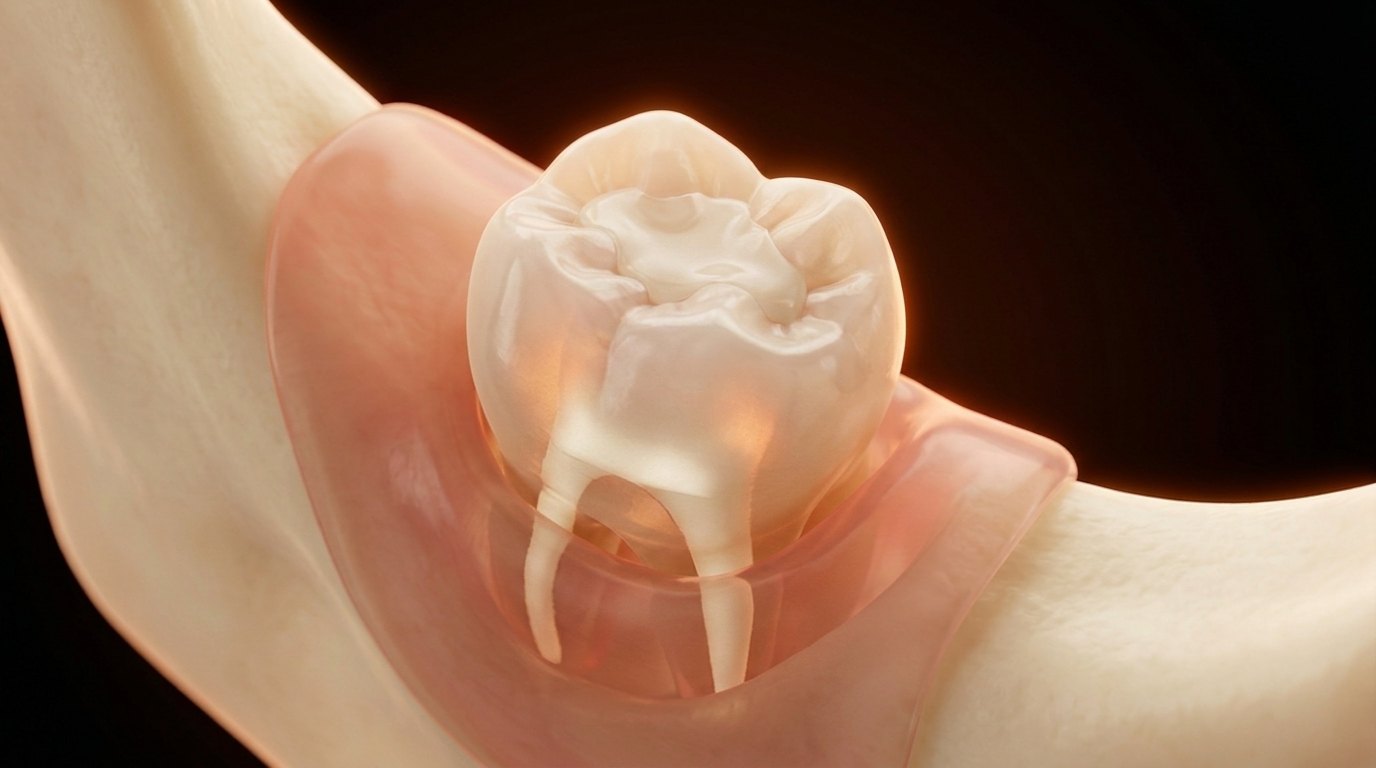
 BeforeAfter
Illustrations are simplified to show the idea. Every tooth is different.
The Visit
How a root canal is done here.
Diagnosis first
We test the tooth and its neighbors, take digital X-rays, and add a 3D cone beam CT scan when it will change the plan. Not every toothache needs a root canal. Sometimes the source is a crack, a strained ligament or muscle and joint pain.
Numbing
The anesthetic is buffered just before the injection, which means less sting and a faster, deeper effect. The Wand, a computer-controlled system, can numb a single tooth.
A small opening
Working under a Zeiss surgical microscope, we make the smallest opening that lets us do the job. Where possible it follows the existing decay or filling, so healthy tooth stays in place.
Cleaning the canal system
Canals are shaped as little as needed. A Fotona Er:YAG laser then drives irrigating solution through the canals with photoacoustic shock waves (SWEEPS), to clean the branches and fins that instruments cannot reach.
Sealing
The cleaned canals are filled and sealed, and the opening is closed.
Back to your dentist
We send your general dentist a report with the images. They place the final restoration, and we coordinate directly with their office.
In Our Office
What we use on every root canal.
- A Zeiss surgical microscope, at 4 to 25 times magnification
- 3D cone beam CT imaging when it will change the plan
- Conservative access and minimal instrumentation, to keep more of the natural tooth
- Fotona LightWalker laser cleaning (SWEEPS), included in standard care
- Buffered anesthetic and The Wand for comfortable numbing
- Movie glasses and a heated massage chair
- One doctor, from the first call to the last X-ray

Common Questions
Honest answers about root canals.
How do I know if I need a root canal?
Common signs are lingering sensitivity to hot or cold, pain when biting, a toothache that starts by itself or wakes you at night, swelling, a pimple on the gum, or a tooth that has darkened. Some teeth that need treatment have no symptoms at all and are found on an X-ray.
The only way to know is an examination. Tooth pain has many sources, and a root canal only helps when the pulp of that tooth is the cause.
Does a root canal hurt?
The pain people associate with root canals is usually the infection leading to a root canal. Treatment removes the cause, and in most cases feels similar to a standard filling.
Some discomfort is expected for a few days following treatment. In general, the more pain you have before treatment and the larger the infection, the more discomfort you can expect afterward.
Is it better to pull the tooth and get an implant?
Rarely. When a tooth can be saved, keeping your natural tooth is usually the better long-term outcome. An implant is a good option when a tooth cannot be saved. We will tell you honestly if a tooth is not worth saving. See natural tooth and implant side by side.
How long does a root canal treated tooth last?
With a well-sealed permanent restoration and good home care, a root canal treated tooth can last as long as your other teeth. When one fails, the usual reasons are a canal that was missed, bacteria left in complex anatomy, a crown that was delayed, new decay, or a crack.
A tooth whose root canal has failed can often be retreated instead of removed.
Why see an endodontist?
An endodontist is a dentist with two or more additional years of specialty training in diagnosing tooth pain and treating the inside of the tooth. Dr. Baker limits his practice to endodontics, and he is the only doctor here: the doctor you call is the doctor who treats you.
What does it cost?
It depends on the tooth, since molars have more canals, on whether it has been treated before, and on your insurance. We give you an estimate and discuss the treatment involved before we begin. Laser-activated cleaning is part of our standard care, at no additional charge.
What should I do afterward?
Wait until the numbness is gone before eating, and avoid chewing on the tooth until your dentist has placed the permanent restoration. Soreness for a few days is normal. Call us if you have swelling, pain that is getting worse instead of better, or a bite that feels high.
Do I need a referral?
No. Patients can book directly. If you have a general dentist, we coordinate with them and send them the report.

Reviewed by Tyler F. Baker, DDS, MS, endodontist. Last reviewed November 2026.
General information, not a diagnosis. Every tooth is different, and results vary. About Dr. Baker
Sources and further reading: American Association of Endodontists, patient information
Questions about your tooth?
Call (760) 510-1133 or request a visit. No referral is needed.